
JAMMERS
Showing all 7 results
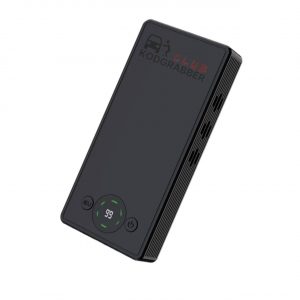
«UMBRELLA v1.2» Car key jammer
1.000 €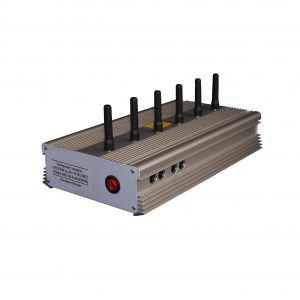
Jammer — 17CTH
1.500 €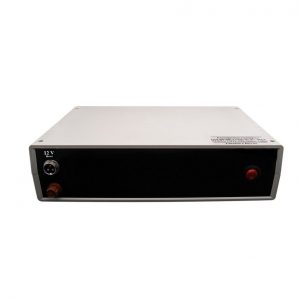
Jammer — 12CTH
1.300 €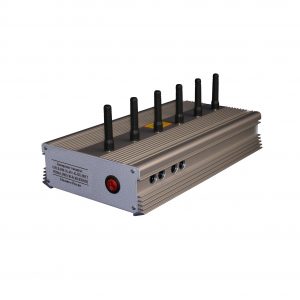
Jammer — 12CT
0 €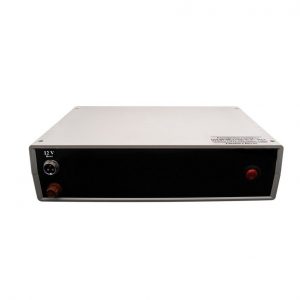
Jammer — 9CTH
1.100 €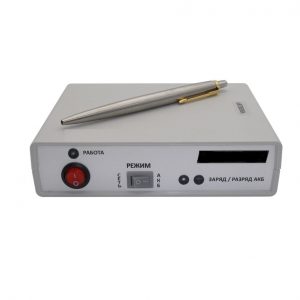
Jammer — 10M
0 €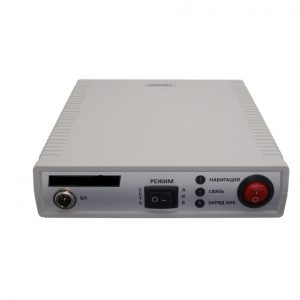
Jammer — 16
1.500 €
A jammer, also known as a signal suppressor or signal blocker, is a specialized electronic device designed to disrupt and block various types of radio signals. These devices are commonly used to create a “blocking zone” where signals from devices such as smartphones, GPS trackers, or Wi-Fi routers become unavailable. Jammers can interfere with a range of communication standards, including GSM, Wi-Fi, GPS, 3G, 4G, 5G, LTE, GLONASS, Galileo, and even certain vehicle key fobs.
The primary function of a jammer is to prevent the targeted devices from maintaining stable connections. It achieves this by transmitting strong, noise-like signals at the same frequencies used by these devices. When a jammer emits these signals, it introduces interference that blocks the communication between devices (such as smartphones or GPS units) and their respective base stations or satellites. As a result, network communication is disrupted, making it impossible for the devices within the jammer's range to send or receive data, establish calls, or connect to GPS systems.
Signal jammers are often utilized in various settings where security or privacy is a concern. For example, they may be used in sensitive locations, such as government buildings, military facilities, or conference rooms, where the restriction of wireless communication is essential to prevent unauthorized access or information leaks. Additionally, jammers can be deployed in areas requiring controlled environments, like exam halls or secure test facilities, to prevent the use of unauthorized electronic devices.
These devices come in different power levels and configurations, allowing users to block signals in specific areas or over larger distances. High-powered jammers can cover broader areas, while lower-powered ones are typically used for more localized suppression. Due to their powerful interference capabilities, the use of signal jammers is regulated in many countries and often restricted to authorized entities.